Wicker Furniture Sets Indoor

Regatta Furniture SetNatural Mauna Loa Furniture SetMauna Loa Rattan Wicker Furniture SetSeascape Rattan Furniture SetSpice Island Rattan Furniture SetKingston Reef Wicker Furniture SetAruba Furniture SetLucia Furniture SetWindsor Furniture Set Bar Harbor Wicker Furniture SetMaui Twist Rattan Wicker Furniture SetCaneel Bay Furniture SetRiviera Rattan Furniture SetTaipei Rattan Wicker Furniture SetHana Furniture SetHarbor Front Furniture Set Sun Fun Rattan Furniture SetSunset Rattan Wicker Furniture SetClarissa Rattan Furniture SetTraders Furniture SetCongo Furniture SetIslander Furniture SetGazebo Wicker Furniture SetNaples Furniture Set Bali Furniture SetMoorea Furniture SetMonaco Furniture SetWilliamsburg Furniture SetWilliamsburg Sectional SetBar Harbor Porch Set When sunrooms need an update, rattan is the perfect choice with its exotic looks and extreme durability. While the British Colonial era marks many style choices, this material dates back a few more centuries in its versatile uses.

As a tropical vine, it does contribute to the relaxed upscale look of earlier plantation furniture. Our indoor rattan wicker furniture collection provides various ways to liven up any living space while keeping it comfortable and inviting. Rattan is a rainforest palm species that is fast growing and comes from sustainable resources. Harvesting involves cutting vines at the base without disturbing the roots. The actual cane is solid and can be left with its bark on or peeled. Its solid core can then be turned into strips for weaving, half-rounds for accenting or left as a round for frames. It is a flexible material resistant to breakage or splintering. Used as furniture framing, it compares in strength to steel.Our indoor rattan sunroom furniture styles range from cottage classics to contemporary pieces. Some blend cane and wicker insets while others show off the solidity of cane in curves, arches and framing. Modulars are simplified with a striking display of pole construction aided by highlights from a variety of finishes.
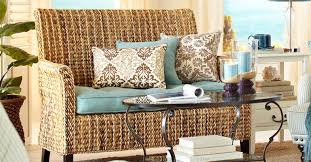
The Chippendale is a wonderful example of modernizing with its choice of sleeper options in sofas and loveseats. Contemporary settings are also a stylish backdrop for the Maui Twist ensemble. True to its name, it offers bold sculptural pieces paired with spindles and weaves.Traditional indoor rattan furniture will never disappoint in quality or in style. The Traders grouping provides formalities in its beautifully turned legs that merge with wicker paneling to create a genuine island retreat.
Temporary Repair Broken Car WindowBeyond the sunroom, it becomes a fine arrangement for any refined living space.
Laminate Floor Tiles That Look Like CeramicOur Taipei set is another choice with appeal for traditionalists.
Foam Seat Cushion Covers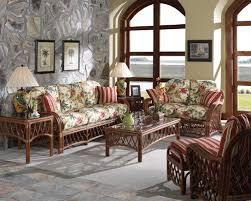
Pieces are more structured with well-defined pole framing and dense weaves.Casual rattan furniture sets include our woven sectional furniture pieces from the Freeport Collection. They fit nicely into smaller spaces while providing generous seating space for entertaining. Separate pieces from this group are bold in their weaves that highlight track arms and low club profiles. Defined as primitive, the Congo set incorporates nature�s best characteristics in rattan construction. With spliced in croco pieces, each component displays random blemishes that add personality without taking away strength.Rattan wicker furniture can also become a chameleon of style. In lighter finishes, the Bar Harbor set calls for coastal decor while darker finishes can complement lodge, country or even urban settings.When it comes to selecting indoor rattan wicker furniture, the possibilities are limitless in style, finish options and coordinated fabrics.What is wicker anyhow? Wicker is a general classification of woven furniture and accents, not a specific material.
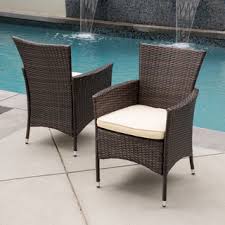
The term is used broadly for any item woven from natural or synthetic hard fibers such as rattan, cane, bamboo, seagrass, even synthetic vinyls and resins. The primary material used to create wicker is rattan "vine," which is actually a prolific climbing palm called Calamus. It can grow up to 600' in length—up to 36" in a single day—making it an abundant, sustainable resource. The production of wicker furniture often utilizes material from the entire rattan plant: Peel, core, pole and all. When rattan's outer skin or peel is removed and cut into thin strips, the resulting material is called cane. Rattan cane is used for weaving chair seats or wrapping joints on wicker furniture and is produced in many different gauges, ranging from carriage fine to the largest slab rattan. It has a natural glossy finish and does not accept stain or paint well, but is considered most beautiful in its natural state. Rattan cane packed in wet clay and allowed to season is known as Kubu or Kubu gray, due to its soft ashen color.

Kubu rattan is exceptionally strong and is prized by furniture-lovers for its distinctive dusky shade. Reed is the thin, flexible material inside the rattan core. Most often used for basket weaving, it may also function as an ornamental element in wicker furniture. Unlike cane, it has no natural finish and readily accepts paint or stain. Bamboo resembles rattan and is often mistaken for it; however, one of the biggest differences between the two materials is that bamboo has a hollow core and rattan is solid. Also, bamboo has distinguishing ridges where the leaves were attached, while rattan's leaf nodes are not so pronounced. Made popular in 19th century England, willow or twig furniture is still crafted today, although the supple branches are now most often used in basketry. Willow can be soaked for flexibility and woven or bent to form graceful, rounded shapes. The term seagrass is used for a variety of flowering plants, such as water hyacinth, that grow in shallow coastal waters.

Seagrasses are not related to seaweed, which is in fact a marine macroalgae, but are more closely akin to the lily. Leaves are generally long and narrow, resembling terrestrial grasses. Banana leaf furniture is made from natural banana leaf or abaca fibers that are dried, twisted and braided into a rope. The rope is then woven over a frame to create furniture and basketry. Handsome and highly durable. How Pier 1 wicker is made There are three stages in typical Pier 1 wicker furniture production. Rattan is used here as the example: Large, broom-handle-sized rattan pole is steamed and bent into the desired shape using a jig or mold. Once dry, these formed pieces are assembled to make the frame. All wicker furniture frames from Pier 1 are first nailed or screwed together and then may be wrapped with rattan peel, which adds both strength and a decorative element. Done completely by hand, weaving takes from one to four days, depending on the type and complexity of the piece.

The tighter the weave, the more time is needed and the more costly the process. Rattan strips are attached and woven over the frame in either an open (spaced) or closed (tight) weave. Every piece of wicker furniture crafted for Pier 1 features a minimum of seven finishing steps: Deburring (rattan ends are burned off for a smooth feel) First color coat applied Second color coat applied What makes our wicker better than others? In addition to the above steps, we also go the extra mile, exceeding industry standards to produce the best quality wicker furniture possible: Only large, sturdy rattan strands are used. Rattan is bleached prior to construction to ensure even color. Paint is evenly applied, sanded and lacquered for a smooth, consistent finish. Each piece is painted or stained completely, including backs and bottoms. Each piece is reinforced with cross-bracing for maximum stability. Foot glides are included on all Pier 1 wicker furniture to protect floors.

Care of your Pier 1 wicker furniture Because wicker is a natural material, exposure to the elements is not recommended (except for all-weather wicker). Moisture and sunlight are rattan's biggest enemies. Enjoy your wicker furniture indoors or in a covered outdoor environment. Vacuum regularly to remove dust. Occasionally clean with a diluted solution of Murphy® Oil Soap and water to remove grime from crevices and help retain natural luster. On dark wicker, use a furniture polish containing a stain, such as Old English®. If furniture is exposed to moisture and develops mildew, wipe the affected area with ¼ cup bleach added to 1 quart of water. Test first on an inconspicuous spot as this solution may lighten the rattan's color slightly. Rinse with a wet cloth and allow to dry completely. When using this method, be sure to take the item outdoors and wear protective goggles, gloves with cuffs and old clothing. To maintain your wicker's like-new appearance, apply a fresh coat of semi-gloss or gloss lacquer every few years.

Now that you're a wicker wizard, here are a few fun factoids to throw around at parties. It takes approximately 10,000 weavers to produce enough wicker to supply 1,000 Pier 1 stores.The earliest known evidence of wicker furniture dates back to 4000 B.C., while the oldest surviving pieces date from the Egyptian Empire (1500 – 1000 B.C.) and include chests, wig boxes, hassocks and chairs. Wicker was found in the tombs of both Cleopatra and King Tut. You think that's old? The Talarurus dinosaur (Greek for “wicker-tailed”) was so named for the wicker-like tendons that stiffened its deadly tail. The Victorians believed wicker's smooth surface to be more hygienic than upholstered furniture. The first wicker in America was a baby crib, which arrived on the Mayflower in 1620. For his first transatlantic flight in 1927, Charles Lindbergh had a wicker pilot's seat installed in his plane, The Spirit of St. Louis. Rattan is so strong that it's used to construct hot air balloon gondolas.